Home insurance can provide valuable protection if your property is damaged or targeted by burglars. However, your insurer may ask what types of locks are fitted to your external doors. Giving an inaccurate answer or failing to meet a condition shown in your policy could affect a future claim.
If you are unsure whether the locks at your Wallsend property provide the required level of protection, Gosforth Locksmith Service can inspect them and explain your options. Not every older lock needs replacing, but checking now is far better than discovering a problem after a break-in.
What Door Locks Do Home Insurance Providers Usually Require?
There is no single lock requirement used by every home insurance provider. The correct standard depends on your insurer, policy and type of door. Always read your policy schedule and security endorsements rather than assuming that a lock described as “high security” will automatically be accepted.
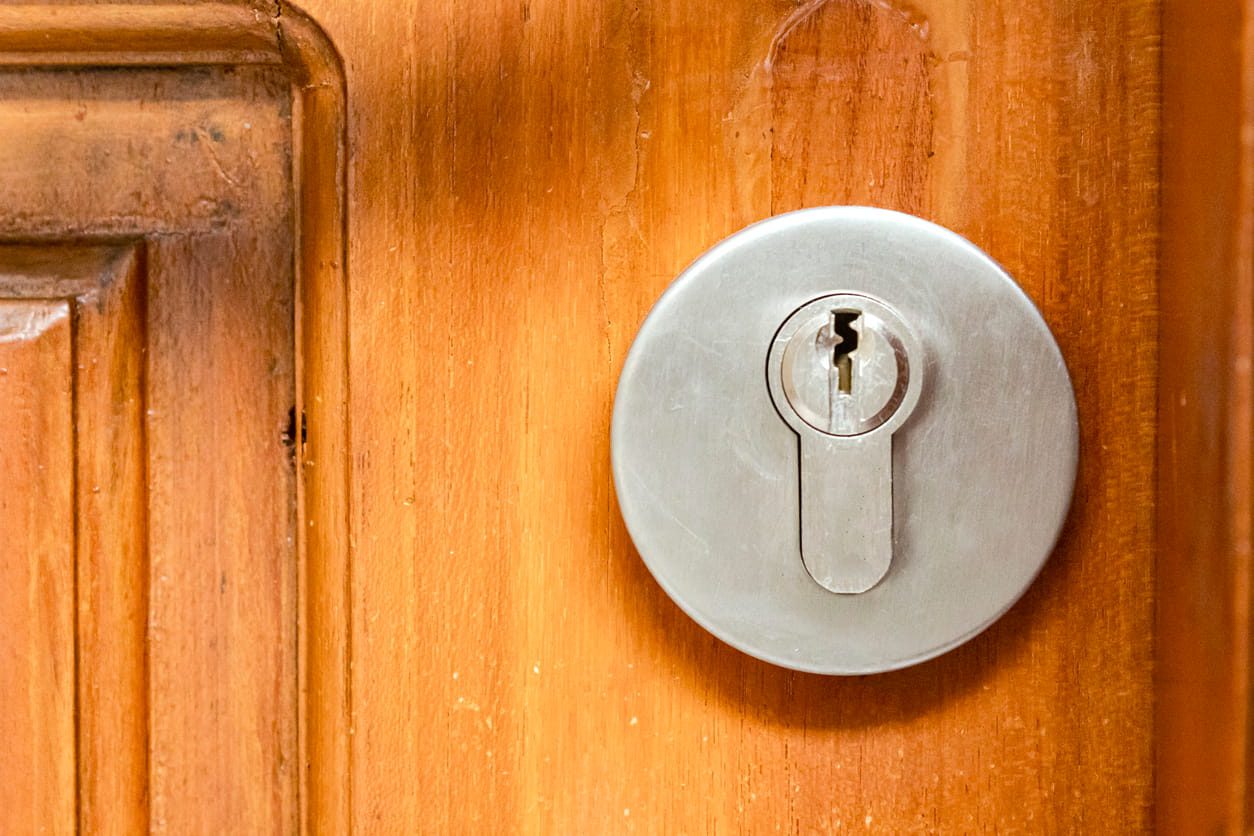
Many insurers ask about the locks fitted to final exit doors, such as your front or back door. Timber doors are often expected to have a five-lever mortice deadlock conforming to BS3621 or a suitable British Standard nightlatch. Requirements for uPVC, composite, and patio doors can differ because these typically use multipoint locking mechanisms.
When reviewing your locks, check:
- What type of lock is fitted to each external door
- Whether a British Standard Kitemark is visible
- If a BS3621 reference is stamped on the lock faceplate
- Whether a multipoint system engages correctly
- If the door, frame, handles and hinges are in good condition
- Whether windows require key-operated locks under your policy
- If your insurer has added any special security conditions
- Whether the information given to your insurer is still accurate
The Association of British Insurers advises homeowners to understand their full policy terms and confirm which security devices their provider approves. If you need help identifying your locks, Gosforth Locksmith Service can carry out a practical inspection and recommend suitable improvements.
British Standard Locks for Timber Doors
Traditional timber doors are common across Wallsend and may be fitted with a mortice lock, nightlatch or a combination of both. A mortice lock is installed within the edge of the door, while a nightlatch is mounted on its internal surface. Their condition and security rating matter more than their appearance alone.
BS3621 is a recognised standard for thief-resistant locks on external doors. Compliant locks normally display the British Standard Kitemark and relevant standard number on the faceplate. If your existing lock is damaged, outdated, or does not meet your insurer’s requirements, our door lock replacement service can provide a suitable upgrade.
Multipoint Locks on uPVC and Composite Doors
Most uPVC and composite doors use a multipoint locking system. Lifting the handle engages several locking points along the frame before the key secures the mechanism. Insurers may ask whether your door has this type of key-operated system rather than requesting the same mortice lock used on a timber door.
A multipoint system provides proper protection only when the door is correctly aligned, and every locking point engages. If the handle is difficult to lift, the key needs force or the door does not close cleanly, the mechanism may already be under strain. Prompt uPVC door lock repairs could prevent a complete failure and restore reliable security.
The Lock Cylinder Also Affects Door Security
A multipoint mechanism may secure the door at several points, but the euro cylinder is the part operated by the key. An old or poorly fitted cylinder can weaken an otherwise effective door. The cylinder should sit properly within the handle and not protrude far enough to provide an easy point of attack.
Anti-snap and higher-security cylinders can offer added protection against common forced-entry methods. A three-star TS007 cylinder, or an approved combination of cylinder and protective handle, may improve resistance to attack. However, you should still ask your insurer what it accepts because enhanced security ratings do not replace the specific wording of your policy. Our security lock services can help you understand the available options.

Your Policy Details Must Match Your Current Locks
When applying for insurance, you may be asked to select your lock type from a list. It is easy to choose the wrong answer if you do not know the difference between a mortice deadlock, a nightlatch and a multipoint system. Guessing can create a mismatch between your policy information and the security actually fitted at your home.
You should also review your details after replacing a door, changing the locks or making major alterations to the property. The ABI explains that failing to tell an insurer about relevant changes could affect your cover. Keep invoices for professional lock work and take photographs of visible standards, as these may help you maintain an accurate record.
Damage and Poor Maintenance Can Create Problems
A lock may have met the right standard when it was installed, but still fail to properly secure the property years later. Wear inside the mechanism, loose handles, door movement and damaged frames can all reduce its effectiveness. Home insurance is not a maintenance contract, so damage caused by gradual deterioration may not be covered.
Test your external doors regularly without forcing the handle or key. Arrange an inspection if a lock becomes stiff, the door needs to be lifted into place, or the mechanism does not fully engage. Seeking early attention is usually simpler than waiting until the property can no longer be locked.
Contact Gosforth Locksmith Service For Wallsend Locksmiths
If you need help checking, repairing or upgrading the locks at your Wallsend property, contact Gosforth Locksmith Service. Our experienced Wallsend locksmiths can identify your existing locks, explain suitable replacements and help you improve security. Your insurer must confirm its own requirements, but we can provide the clear technical information you need to speak to them with confidence.